Publish with Us

GenoMed Connect

Volume 3


open-access Review Article

Published: 05 Jun 2026

Spatial Heterogeneity of TMEs in cHL and PDAC: Mechanistic Insights and Therapeutic Perspectives

Volume 3

The tumor microenvironment (TME) is a critical niche that influences tumor progression and the development of therapeutic resistance. Spatial omics technologies enable in situ investigation of cellular ecology and intercellular interactions within the TME, addressing the lack of spatial context associated with bulk and single-cell sequencing approaches. Classical Hodgkin lymphoma (cHL) and pancreatic ductal adenocarcinoma (PDAC) exhibit distinct TME characteristics: cHL is characterized by dense immune-cell infiltration accompanied by functionally..

open-access Review Article

Available Online: 11 Jun 2026

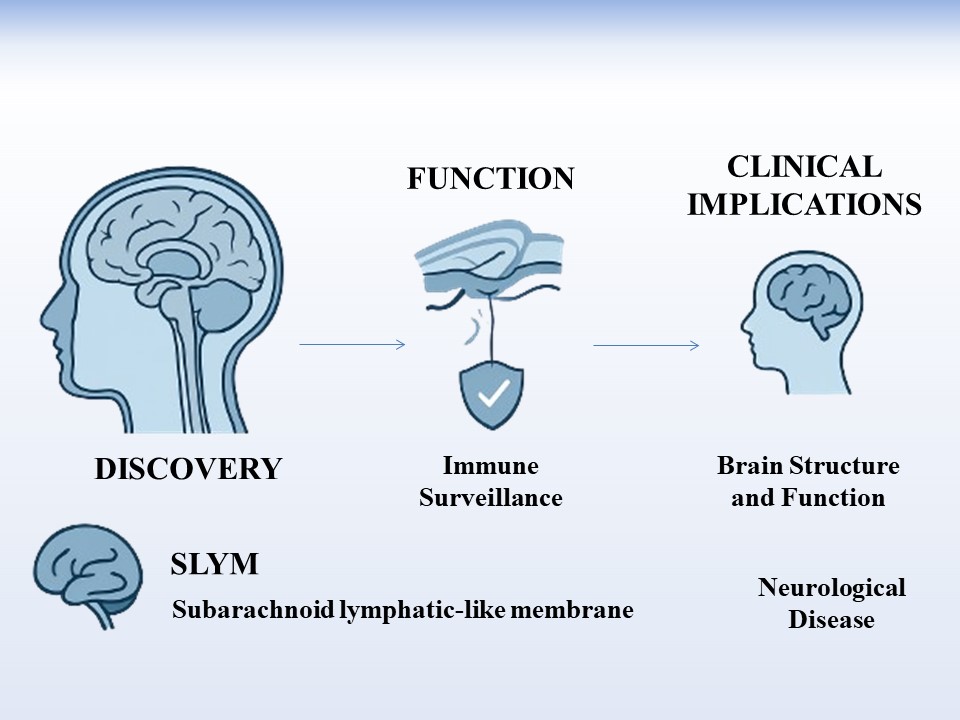
Unveiling the Fourth Meningeal Layer: Implications for Brain Structure, Function, and Neurological Disease

Volume 3

open-access Review Article

Available Online: 10 Jun 2026

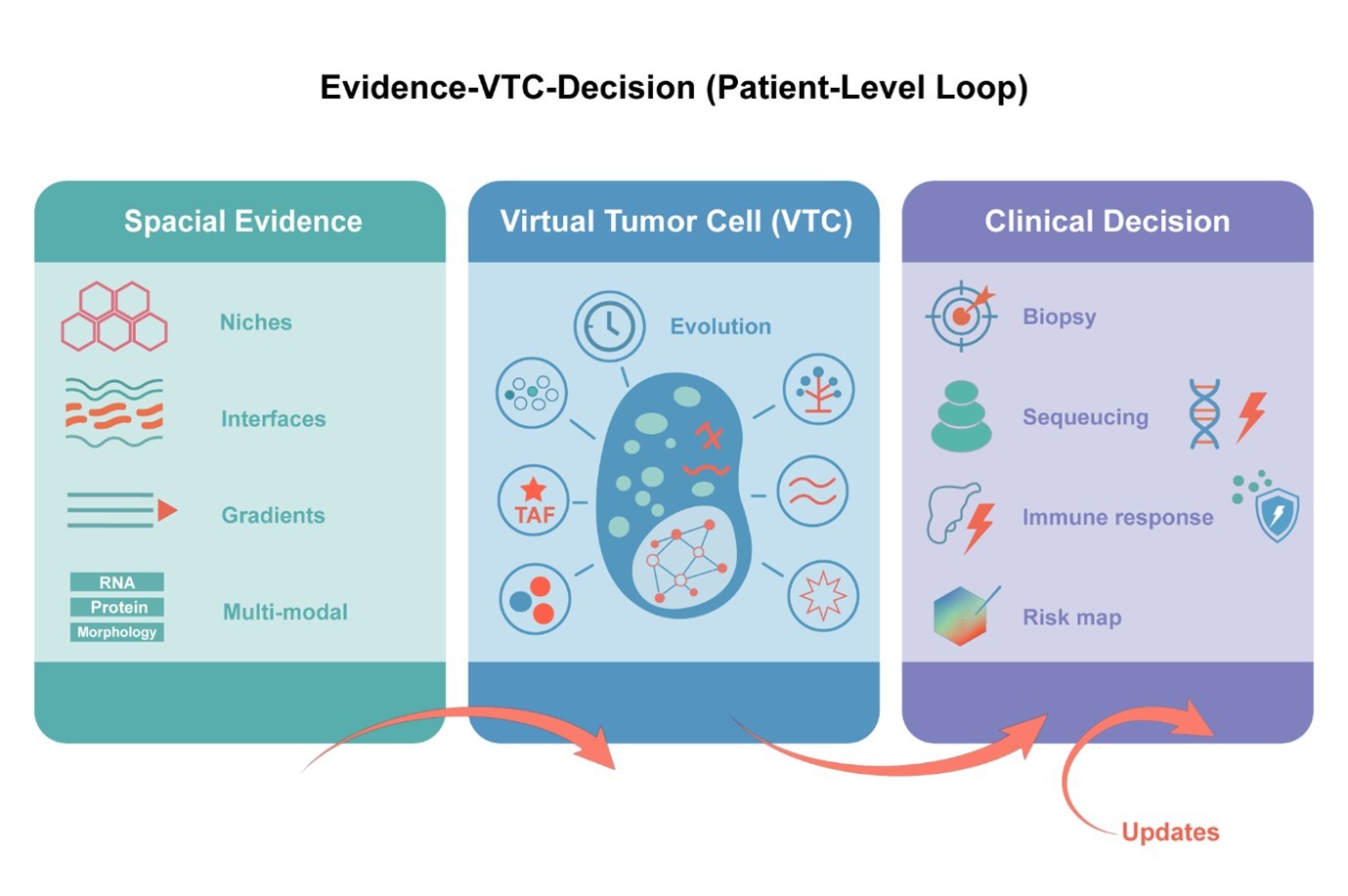
Dynamic Virtual Tumor Cells Powered by Spatial Omics for Translational Oncology

Volume 3

open-access Review Article

Available Online: 30 May 2026

Spatial Profiling of the Head and Neck Squamous Cell Carcinoma Microenvironment: Reshaping Our Understanding and Therapeutic Opportunities

Volume 3

Head and neck squamous cell carcinoma (HNSCC) is characterized by a highly heterogeneous tumor microenvironment (TME), which plays a critical role in disease progression and therapeutic resistance. The emergence of spatial omics and multimodal imaging approaches, including spatial transcriptomics, proteomics and metabolomics, has revolutionized the understanding of the tumor microenvironment (TME) by preserving the spatial architecture of molecular landscapes. This review synthesizes key advances enabled by spatial omics in the..

open-access Mini-Review

Available Online: 21 May 2026

Regional Differences in Brain Tumors: Genetic Drivers and Spatial Molecular Ecology

Volume 3

The human brain exhibits marked regional specialization in cellular composition, gene expression, and tissue architecture. Growing evidence suggests that these spatial differences influence both the anatomical distribution of brain tumors and their subsequent progression. Across tumor types such as gliomas, meningiomas, and brain metastases, specific molecular subtypes frequently show characteristic anatomical distributions, suggesting a functional coupling between tumor genetics and regional brain microenvironments. In this mini review, we summarize recent..

open-access Short Communication

Available Online: 13 May 2026

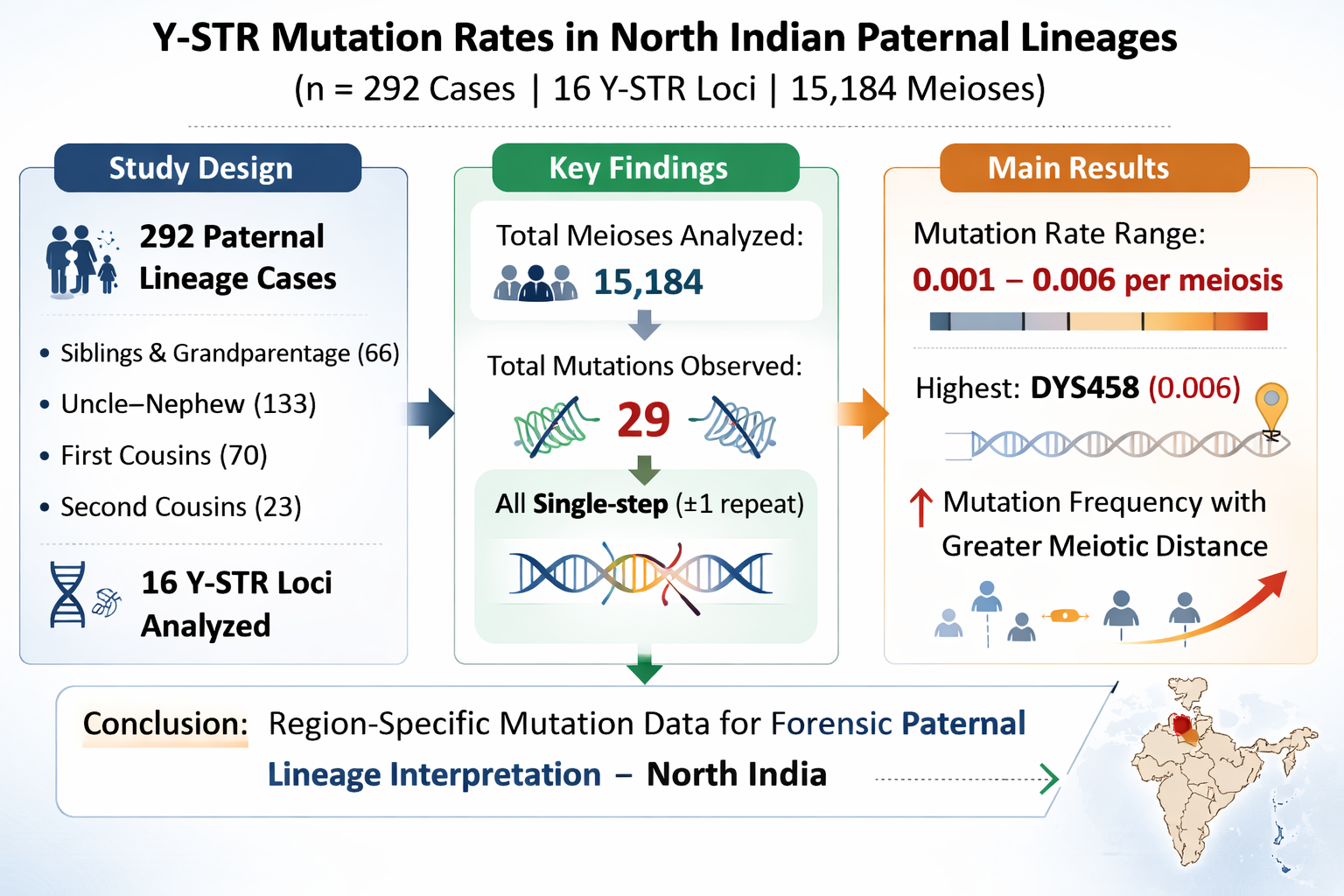
Y-STR Mutation Patterns in North Indian Male Relatives at 16 Loci: A Preliminary Study

Volume 3