Available Online: 11 Jun 2026
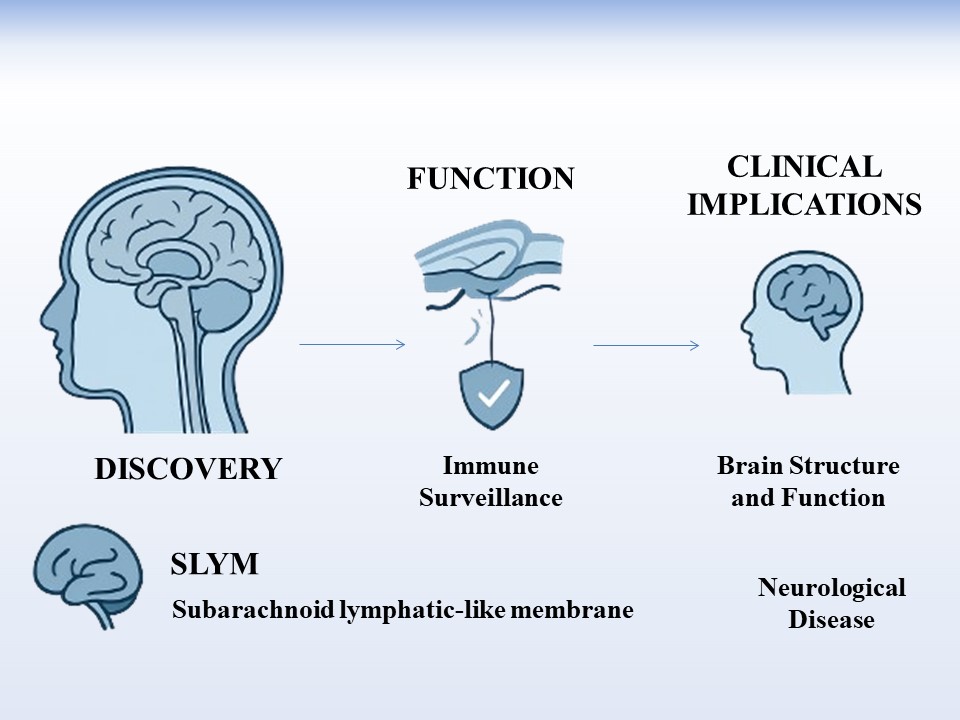
Unveiling the Fourth Meningeal Layer: Implications for Brain Structure, Function, and Neurological Disease

Volume 3
Available Online: 11 Jun 2026
Volume 3
Available Online: 10 Jun 2026
Volume 3
Available Online: 30 May 2026
Volume 3
Head and neck squamous cell carcinoma (HNSCC) is characterized by a highly heterogeneous tumor microenvironment (TME), which plays a critical role in disease progression and therapeutic resistance. The emergence of spatial omics and multimodal imaging approaches, including spatial transcriptomics, proteomics and metabolomics, has revolutionized the understanding of the tumor microenvironment (TME) by preserving the spatial architecture of molecular landscapes. This review synthesizes key advances enabled by spatial omics in the..
Available Online: 21 May 2026
Volume 3
The human brain exhibits marked regional specialization in cellular composition, gene expression, and tissue architecture. Growing evidence suggests that these spatial differences influence both the anatomical distribution of brain tumors and their subsequent progression. Across tumor types such as gliomas, meningiomas, and brain metastases, specific molecular subtypes frequently show characteristic anatomical distributions, suggesting a functional coupling between tumor genetics and regional brain microenvironments. In this mini review, we summarize recent..
Available Online: 13 May 2026
Volume 3
Published: 05 Jun 2026
Volume 3
The tumor microenvironment (TME) is a critical niche that influences tumor progression and the development of therapeutic resistance. Spatial omics technologies enable in situ investigation of cellular ecology and intercellular interactions within the TME, addressing the lack of spatial context associated with bulk and single-cell sequencing approaches. Classical Hodgkin lymphoma (cHL) and pancreatic ductal adenocarcinoma (PDAC) exhibit distinct TME characteristics: cHL is characterized by dense immune-cell infiltration accompanied by functionally..
Published: 30 Dec 2025
Volume 2
Oral squamous cell carcinoma (OSCC) is a significant concern within head and neck cancers due to its high heterogeneity, which contributes to poor treatment outcomes and low survival rates in advanced stages. This review discusses how spatial omics methods are used to explore tumor heterogeneity in OSCC. It focuses on alterations in the cellular, molecular, and immune microenvironment, which are driven by cancer stem cells, stromal interactions, genetic instability, epigenetic..
Published: 29 Dec 2025
Volume 2
Published: 27 Dec 2025
Volume 2
Published: 18 Dec 2025
Volume 2
Published: 31 Dec 2025
Volume 2
Cancer is characterized by abnormal cell proliferation in multicellular organisms. Its emergence is linked to the evolution of multicellularity billions of years ago. The “incipient cancer genes” (proto-oncogenes) presumably evolved from genes involved in cell reproduction during the evolutionary transition from unicellular to multicellular organisms. Although these incipient cancer genes initially promoted rapid cell division required for growth at specific developmental stages, their activity had to be tightly regulated to..
Published: 03 Oct 2025
Volume 2
Cancer remains a significant global health challenge, with varying incidence and mortality rates across the globe. According to the Surveillance, Epidemiology, and End Results (SEER) registry [1] and the American Cancer Society (ACS) [2], more than 2 million new cancer cases are expected in the US by 2025. Understanding the burden of disease and advancements in tailored treatments, also known as precision or personalized medicine, is crucial for improving patient..
Published: 24 Jun 2025
Volume 2
Bladder cancer remains a major global health challenge due to its high incidence, recurrence rates, and reliance on invasive diagnostic procedures. While conventional methods, such as cystoscopy and urine cytology, are considered standard, they often demonstrate limited sensitivity, particularly in detecting early-stage disease. Epigenetic alterations, particularly DNA methylation, are now recognized as critical in bladder cancer development and progression. Non-invasive urine-based DNA methylation assays have emerged as promising diagnostic and..
Published: 23 Jun 2025
Volume 2
Progressive familial intrahepatic cholestasis (PFIC) is a rare group of genetic disorders that typically presents in infants and children, often progressing to end-stage liver disease. We used whole genome sequencing (WGS) for diagnosis to assess phenotypic features and outcomes in Pakistani children with different types of PFIC. The study included 116 pediatric participants with five PFIC types: PFIC1, ATP8B1 gene (n = 19); PFIC2, ABCB11 (n = 28); PFIC3, ABCB4..
Published: 21 Apr 2025
Volume 2
Background: Oxidative stress plays a crucial role in various aspects of cancer and other diseases. While reactive oxygen species (ROS) serve as key signal molecules in physiological processes for the normal functioning of the female reproductive system, they have also been implicated in pathological processes such as polycystic ovary syndrome (PCOS). Some studies have reported a significantly higher risk of endometrial cancer in women with PCOS. However, the association of..
Published: 28 Feb 2025
Volume 2
This manuscript examines advancements in antigen-specific immunosuppression, as well as the potential and challenges of applying gene-editing technologies to autoimmune diseases driven by autoantibodies (AAbs). Current approved treatments fail to reach long-lived plasma cells (LLPCs), which may continue secreting pathogenic AAbs after immunobiological courses in some autoimmune illnesses. New approaches, some tested in vitro and some already undergoing clinical trials, such as the chimeric autoantibody receptor (CAAR)-T cells, BiTEs, affinity..
Published: 15 Jan 2025
Volume 2
The integration of artificial intelligence (AI) and machine learning (ML) into pharmacovigilance (PV) marks a transformative step towards enhancing drug safety and patient outcomes. With their unparalleled ability to analyze vast and complex datasets, AI/ML technologies offer unprecedented opportunities to revolutionize adverse drug event (ADE) monitoring, signal detection, and causality assessment. This editorial explores the state-of-the-art applications, key challenges, and actionable strategies to unlock the full potential of AI in..
Published: 29 Nov 2024
Volume 1
Background: Epidermolytic hyperkeratosis (EHK) formerly known as bullous ichthyosiform erythroderma, is a rare autosomal dominant inheritance condition with a prevalence ranging from 1:200,000 to 1:300,000. The underlying etiology of which is a mutation in the genes responsible for keratin proteins synthesis, primarily in KRT1 and KRT10 genes, cataloged under OMIM number 113800. The clinicopathological presentations include blistering during the neonatal period, followed by ichthyotic hyperkeratosis in childhood and adolescence. This..
Published: 05 Nov 2024
Volume 1
Background Atherosclerotic lesions are formed as a result of low-density lipoprotein (LDL) accumulation, which is produced by oxidizing enzymes and oxidized phospholipids (OxPL). Phospholipid oxide causes inflammation-inducing activation genes and hyper-inflammation in addition to the initiation of inflammation and expression of Th1 cytokines. Interleukin 12 (IL-12) is one of the most significant stimulants of inflammation and immune responses, among the Th1cytokines. Therefore, it may play a significant role in contributing..
Published: 17 Oct 2024
Volume 1
Background: Coronary artery disease (CAD) is among the significant causes of death globally, caused by fatty deposits in blood vessel walls. Increasing evidence indicates that toll-like receptors (TLRs) are pivotal to atherosclerosis progression. The function of CD36 as a glycoprotein in atherosclerosis was also suggested. This study aimed to investigate the levels of TLR4, TLR6, and TLR7, as well as CD36 cell surface markers in CAD. Methods: This study included..